Next case
Previous case
Pitch
How can one create a climate adaptation solution that both handles increased volumes of water efficiently, is economically attractive, and at the same time contributes to an architectural enhancement of the urban environment?
Download Press Package
A future shaped by water

Across Denmark the climate is shifting. Rain comes more often, more suddenly and in greater amounts. At the same time the city grows denser, surfaces harden and runoff increases. Sewer systems reach their limits and the consequences are felt in flooded streets, damaged buildings and rising costs. The need for solutions that hold, guide and integrate rainwater locally is not only technical but spatial and cultural.

Klimafilterbeton is developed through a collaboration between Third Nature, Teknologisk Institut, Orbicon, Unicon, Betonværket Brønderslev, Per Aarsleff and Fabriksbetonforeningen. Together they introduce a new type of paving that manages future water volumes, enhances the urban landscape, supports biodiversity and opens for new forms of public life.

35 %
Reduction in CO2e emissions
Future-Cem is a climate-friendly concrete that enables up to a 35% reduction in CO2e emissions.
Key numbers
No items found.
A material with its own quiet language

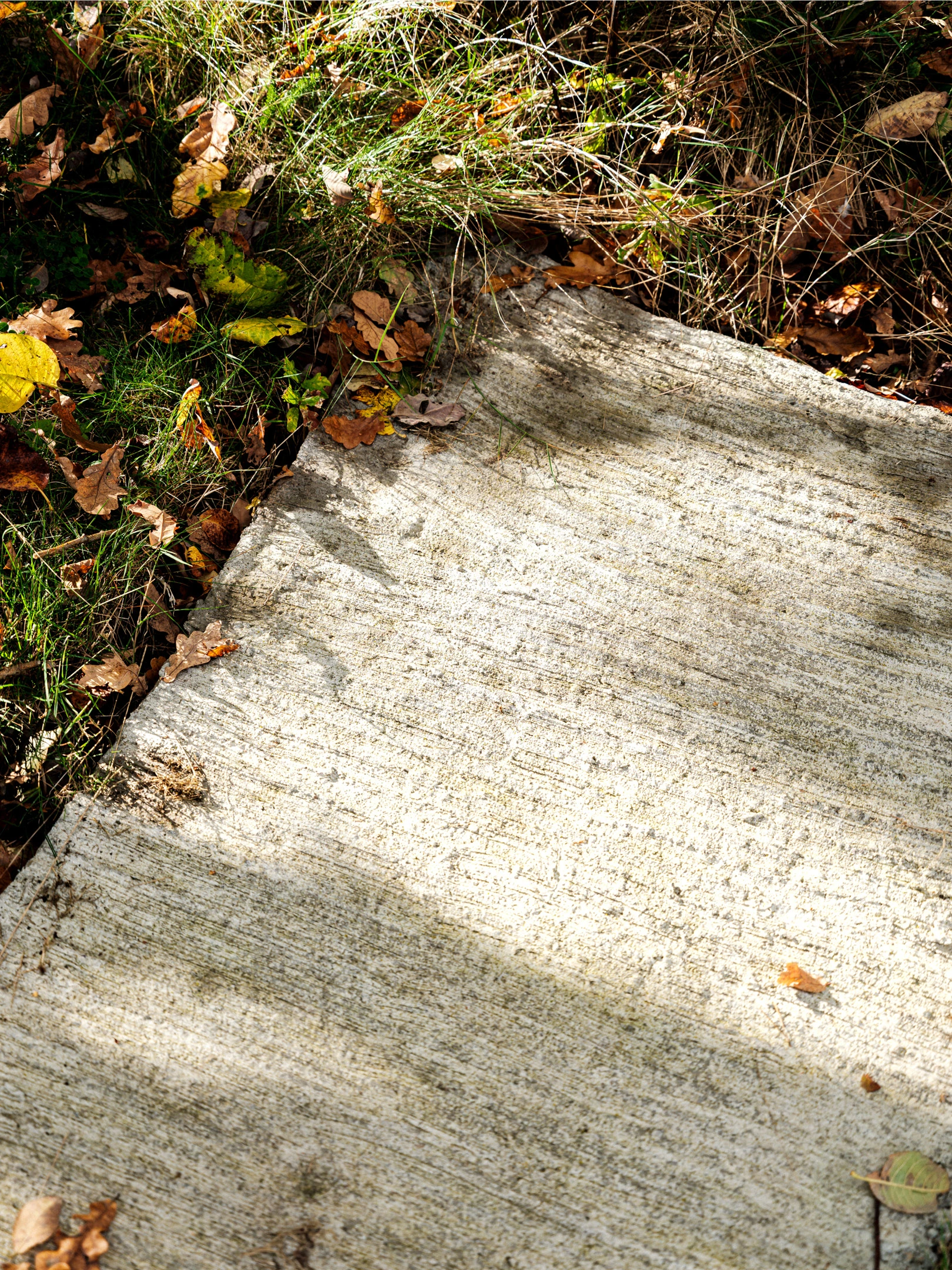
Klimafilterbeton is a solid yet permeable surface that allows water to pass through and sink into the ground where it can nourish trees, plants and the soil itself. The material is developed in three variants that speak to different uses and expressions in the city. The material is cast using FutureCem, tested outdoors for the first time and for the first time applied in permeable concrete, bringing a climate-friendly cement with up to 35% CO₂e reduction into the process.

The single-layer casting offers the most direct solution, with pigmentation and surface patterning creating a calm, coherent ground. The two-layer casting combines a familiar concrete surface with a permeable base, so water management remains invisible while the expression stays recognisable. In contrast, the side-by-side casting weaves permeable fields into a solid surface, making the presence of water a visible and rhythmic part of the design.

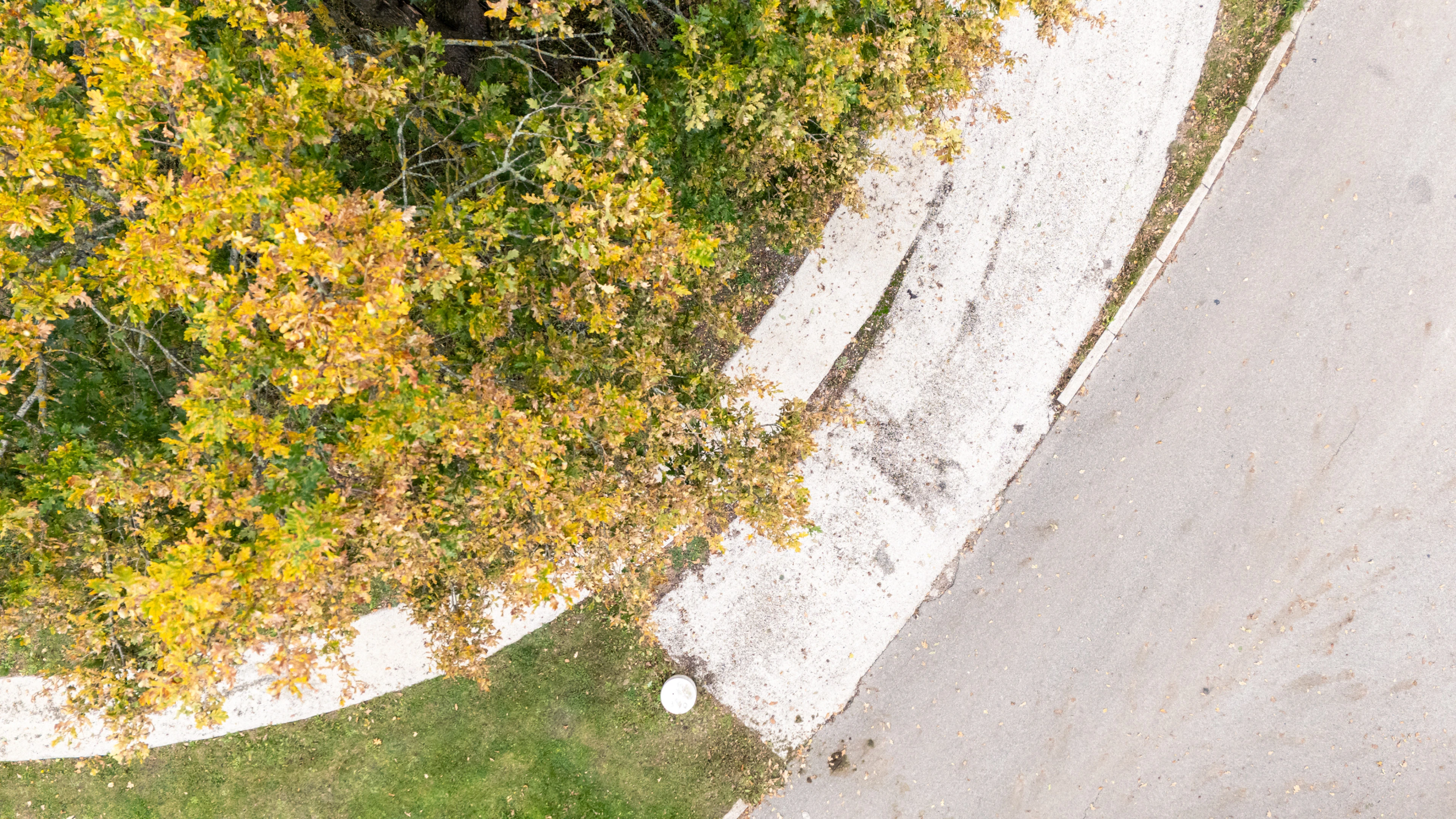
Across all variants the internal porosity creates a subtle texture that catches light and gives depth to the surface. The material can be installed with well known construction technique sand is suited for squares, paths and larger infrastructural surfaces.

Beyond its practical benefits Klimafilterbeton brings other values to the city. It helps counteract the urban heat island effect by encouraging evaporation and supporting planting. Its light tone gives a gentle visual character, and the porous structure offers a lively surface with variation and depth. The material can be combined with conventional concrete or coloured and adjusted through different cement types. Laboratory tested castings are shown in the following section where the aesthetic and functional potential unfolds.

From test field to urban landscape

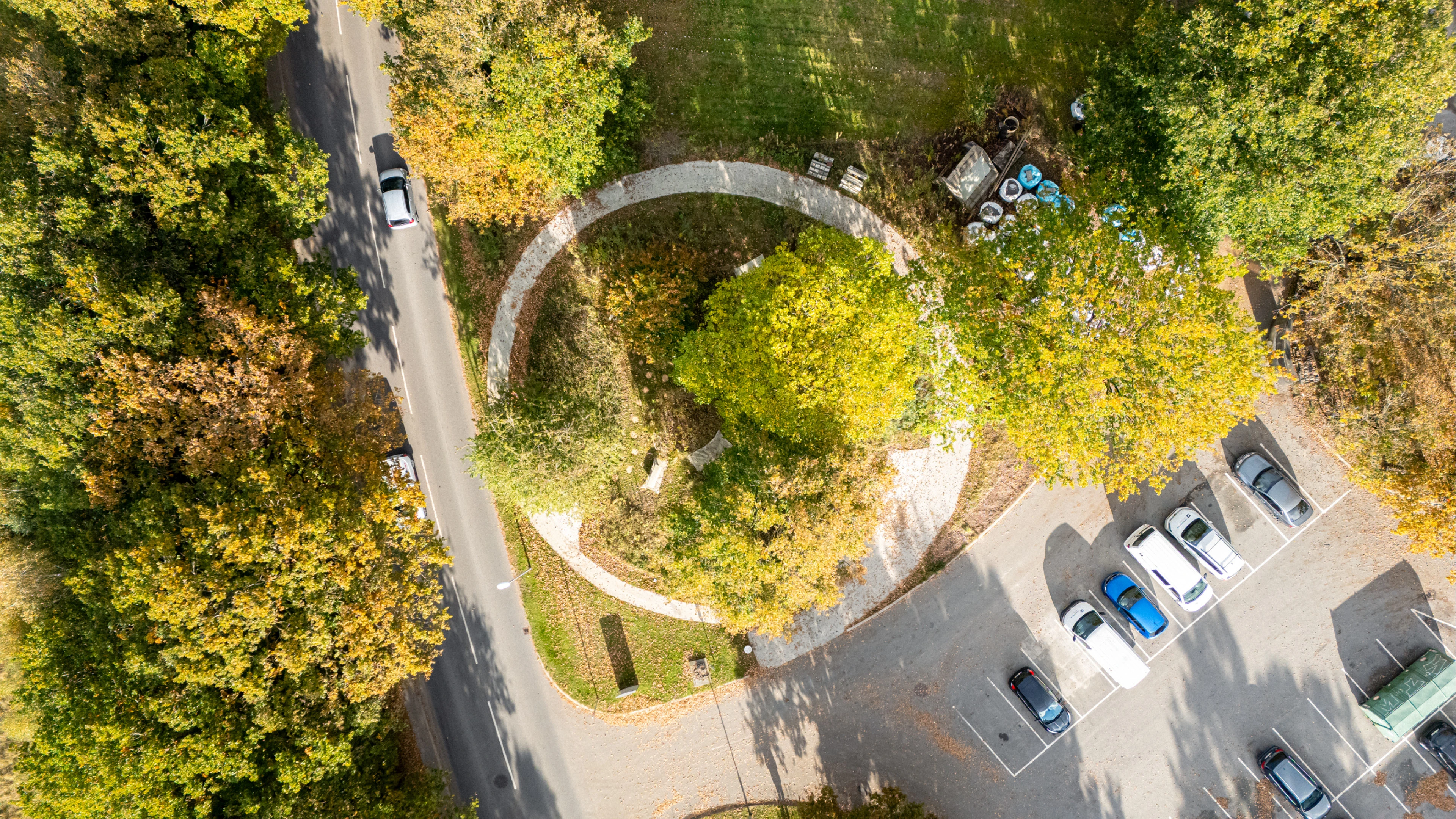
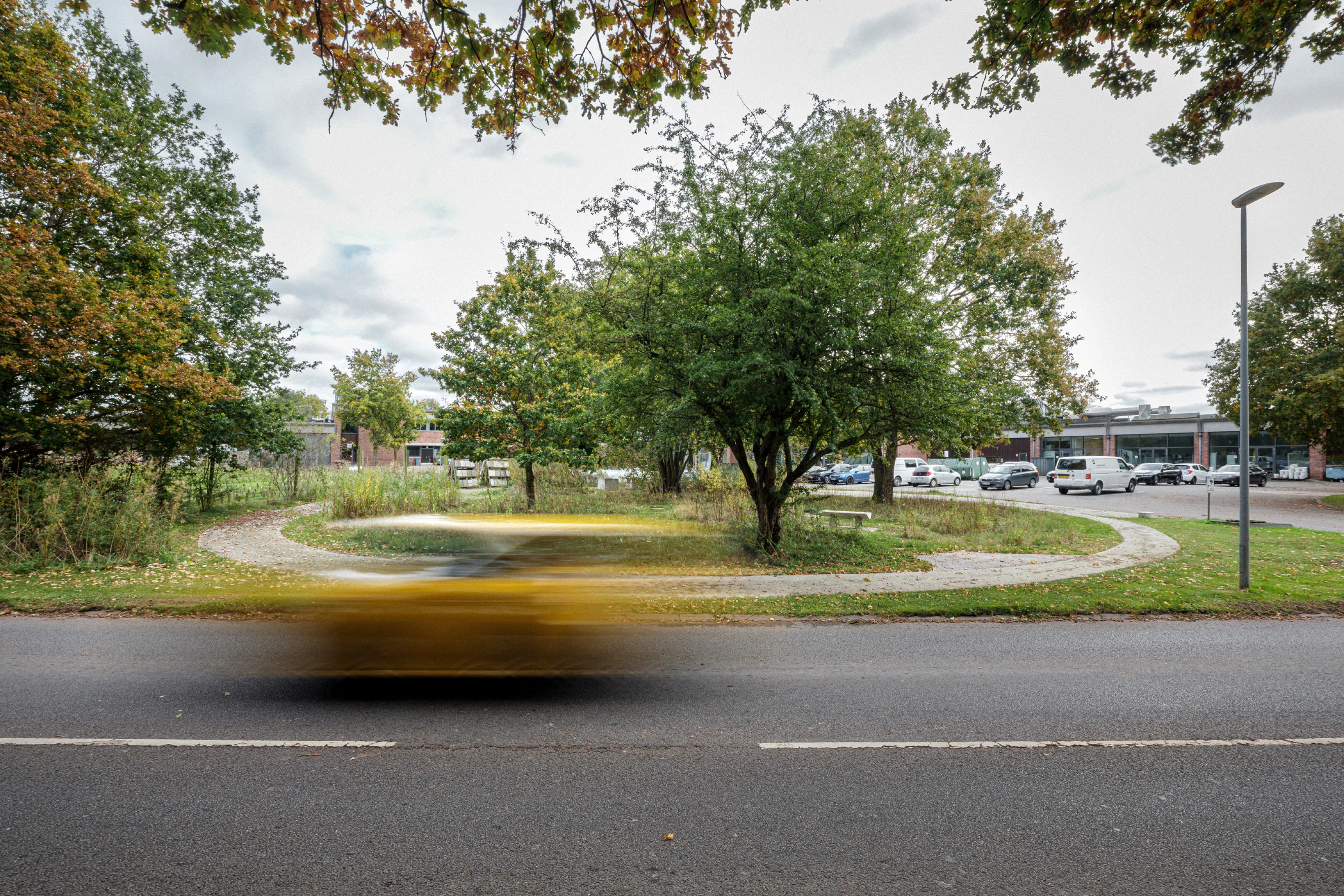
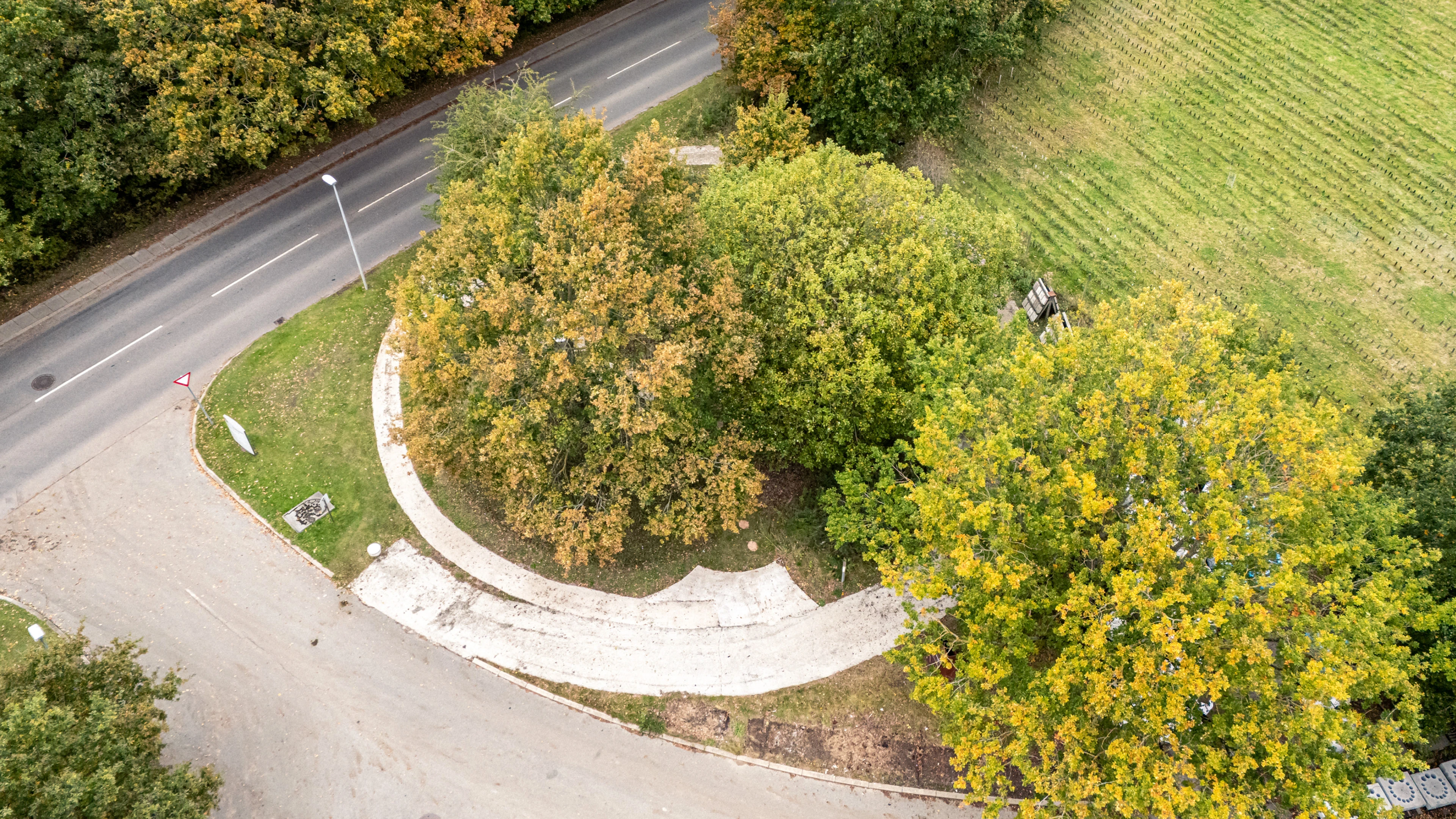
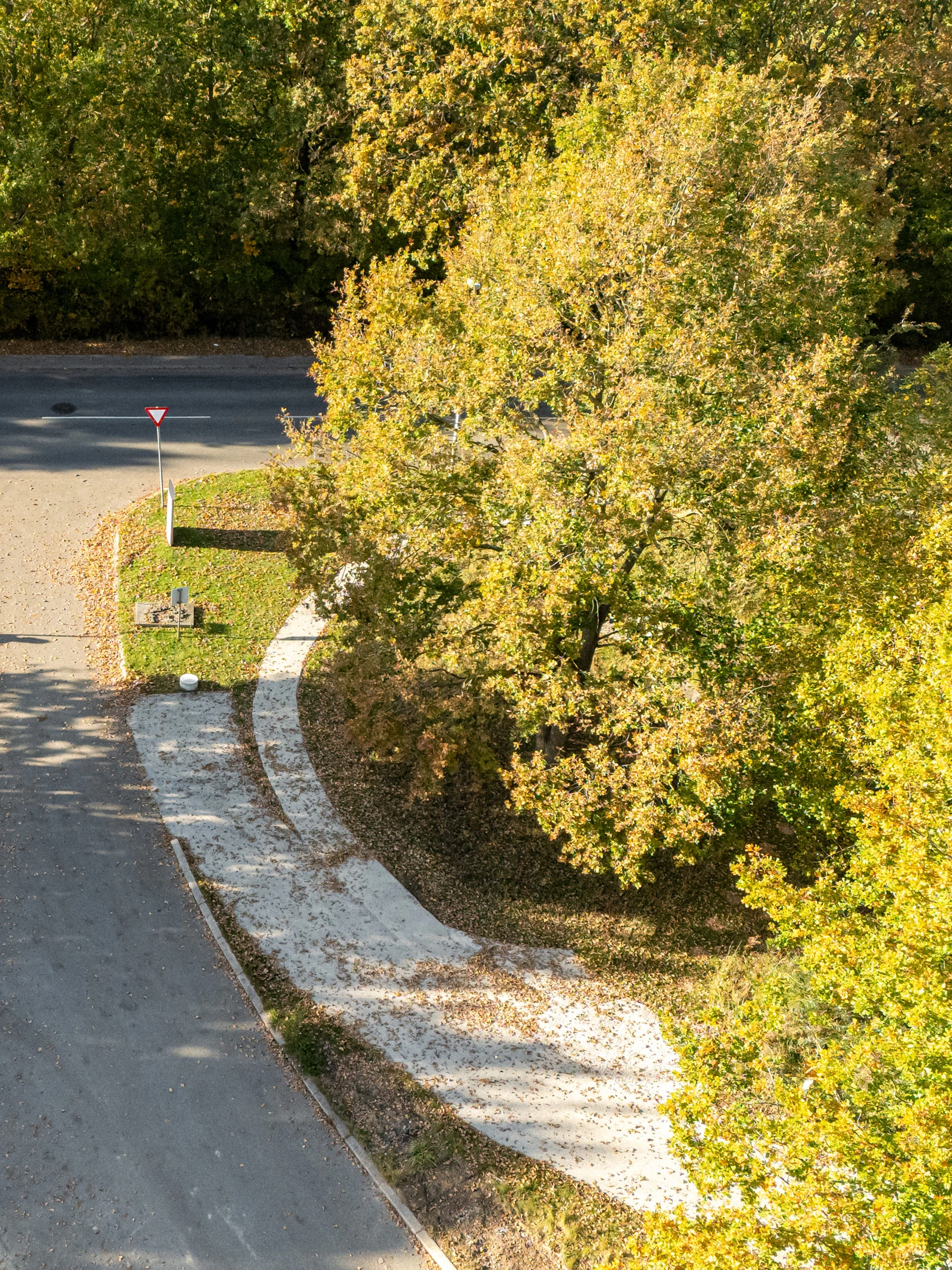
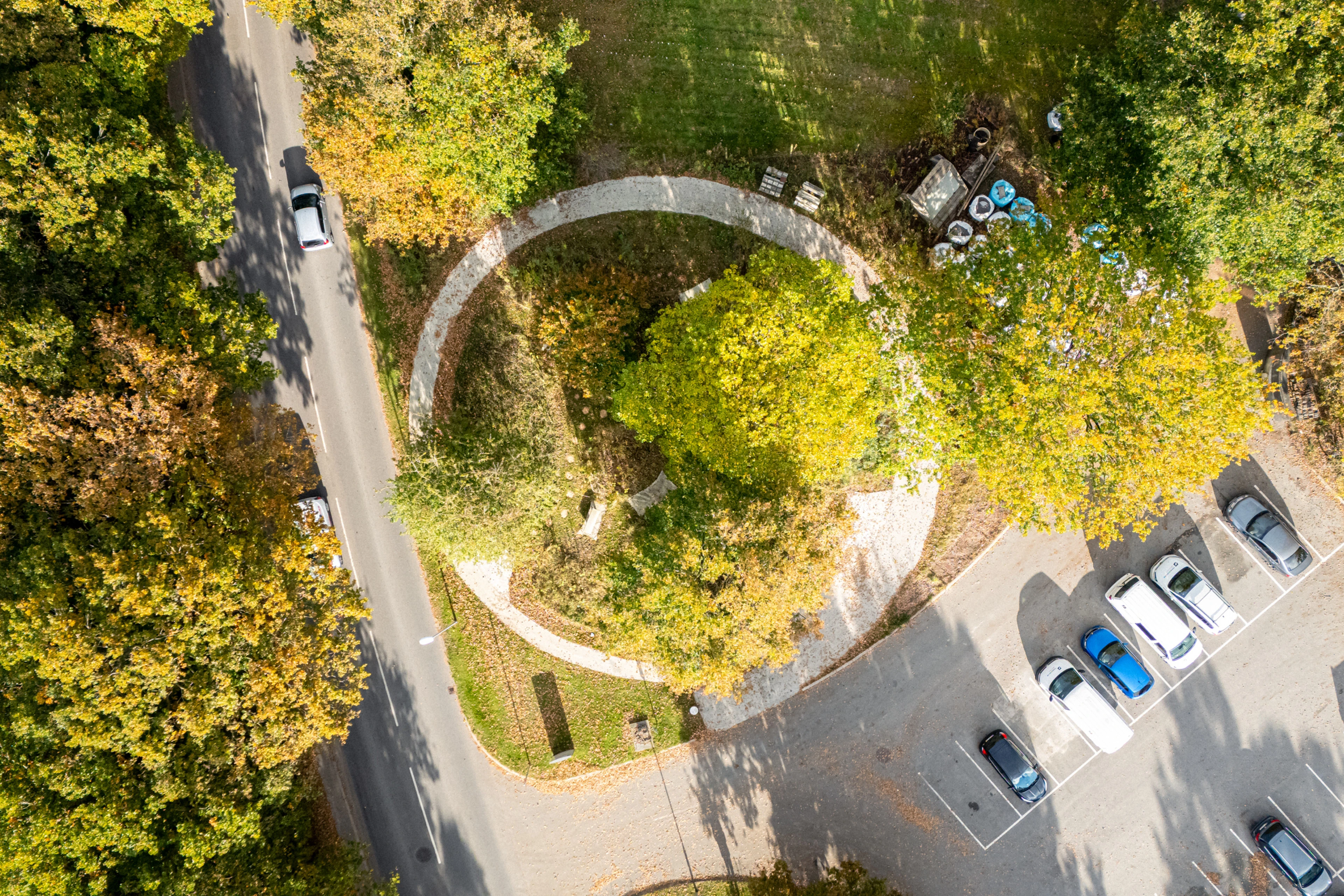
To explore the material in realconditions Teknologisk Institut has established an eight hundred square meterpilot area on the Taastrup campus. Here Klimafilterbeton is tested underdifferent loads, weather patterns and operational situations.
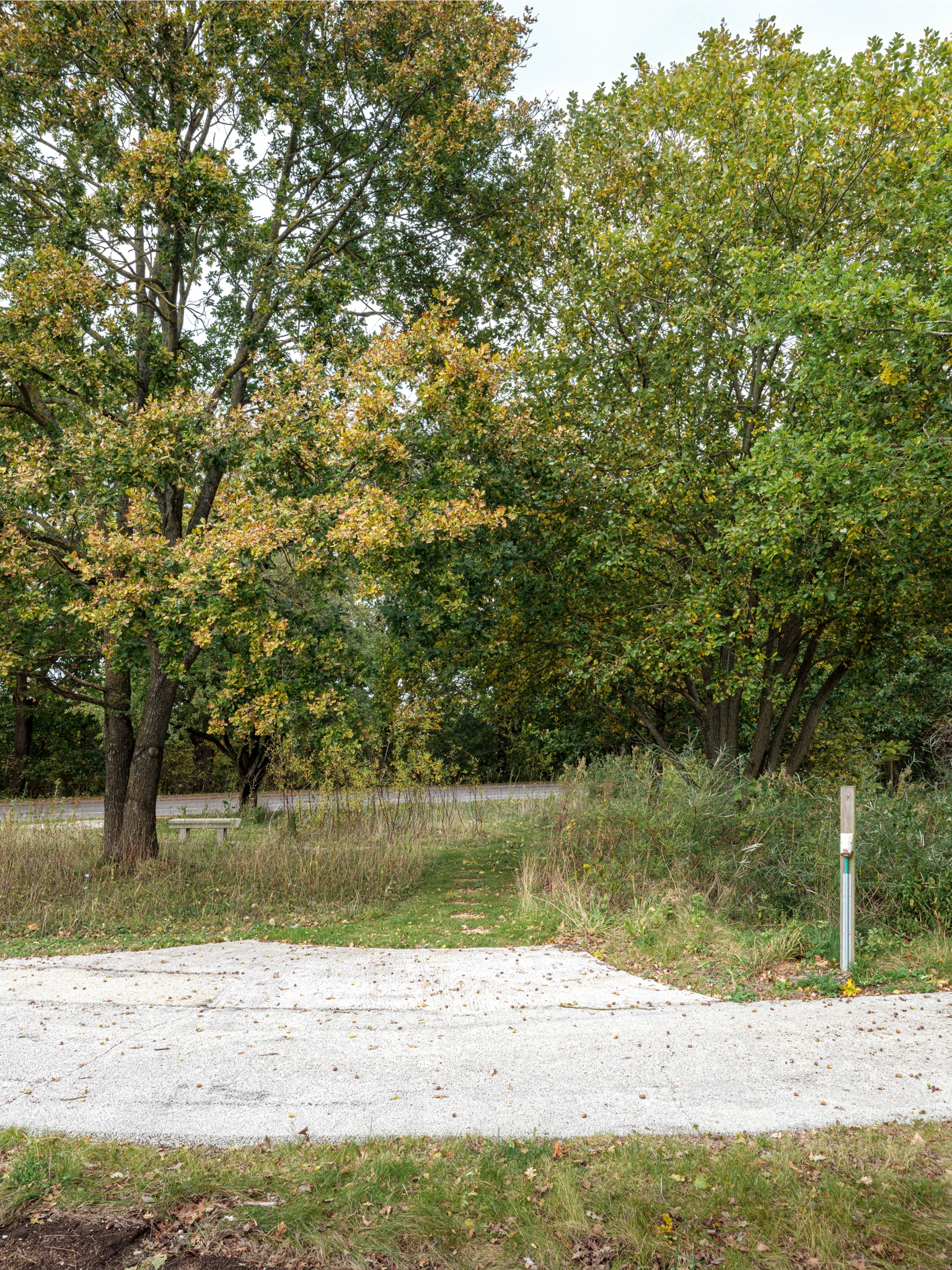
The area also acts as an exhibition and a place to dwell around the concrete laboratory, a slow path where nature grows between the cast surfaces and where the meeting between landscape and material becomes tangible in scale and detail.

The pilot project documents the performance of the material and forms a foundation for future use in Danish cities.

With Klimafilterbeton the city gains a robust and expressive tool for managing rainwater locally. It opens a new design space where permeability, aesthetics and function meet and strengthen one another rather than compete.

Contact the team

General inqueries
Open external browser tap
No items found.
Project information

Client
Danish Technological Institute

Funding
The Danish Environmental Protection Agency, The Environmental Technology Development and Demonstration Programme (MUDP)

Location
Danish Technological Institute, Taastrup, Denmark

Type
Material innovation and landscape prototype design

Role
Architect

Team
ThirdNature, Orbicon, Unicon, Betonværket Brønderslev, Per Aarsleff,Fabriksbetonforeningen, Teknologisk Institut

Period
2020-2022

Status
Realised